
Care homes for senior citizens in India: responding to a growing need
India is undertaking a demographic shift and is witnessing a growing number of elderly citizens. Societal change in the form of urbanization, nuclear family structure, and a fast pace of life often means families cannot provide the daily care and help aging parents need.
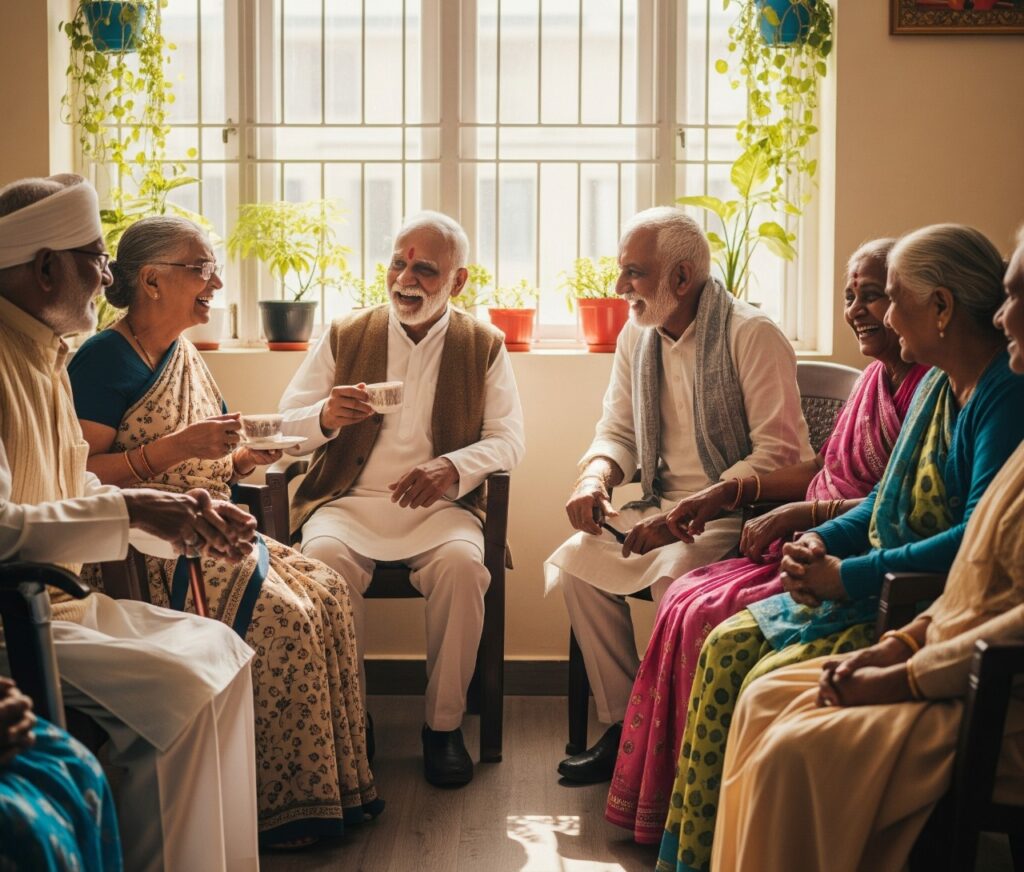
So, the need for care homes for senior citizens in India arises. Care homes are not just places to live, but they offer medical care, companionship, and most importantly, dignity as they cannot care for themselves in their golden years.
The Development of Care Homes for Senior Citizens in India
In the past, people lived in multigenerational families, making it easier to meet everyone’s needs. In more recent decades, the forces of migration in search of better jobs, global mobility, and career problems have made the multigenerational family network option less available than it was prior. Traditionally care homes for seniors in India were thought of as a last resort and have evolved over the decades; they are now living communities. Most care homes provide encapsulated healthcare, recreation, friendships, and independence for all the residents that live in them. Care homes for senior citizens in India should not only be thought of as a last resort option.
Medical Assistance in Care Homes for Senior Citizens in India
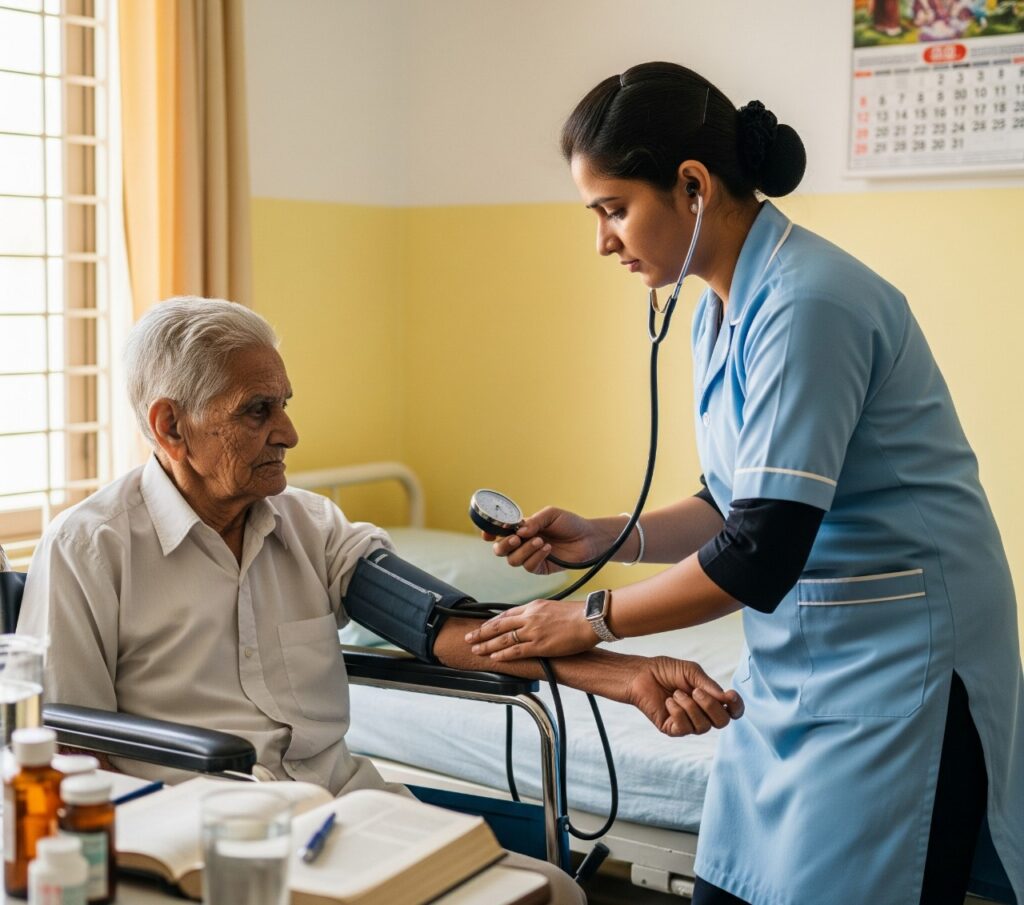
A fundamental aspect of modern senior living accommodations is health care. Many care homes for senior citizens in India contain trained caregivers, nurses, and medical practitioners who provide timely medical checkups, medicine management, and 24/7 monitoring of health. For many elders, their diabetes, dementia, hypertension, or cardiac issues may range from mild to severe in terms of care. Many elders’ problems are not easily managed with busy families. The availability of emergency services in nursing homes provides family members with great peace of mind.
Recreational Activities in Care Homes for Senior Citizens in India
Isolation, especially social isolation, can have a debilitating impact on elderly people’s mental and physical health.
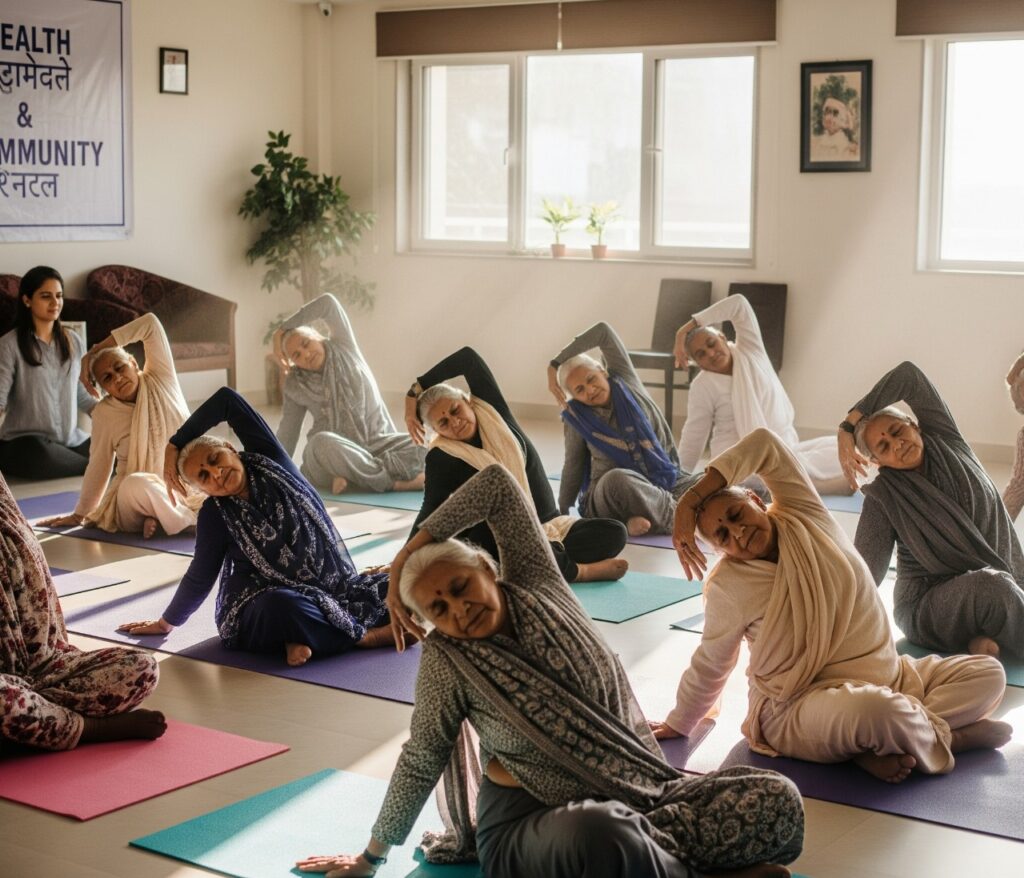
Care homes for senior citizens in India are firmly committed to providing programs to engage the elderly together. Programs may include recreational workshops, cultural celebrations, hobby clubs, group activities, etc. Health promotion activities can include daily yoga practice or religious gatherings. Many care homes offer creative classes that help elderly people stay active, make friends, and regain a sense of community. Programs facilitate social opportunities to fight isolation while providing a positive impact on thoughts, emotions, and health.
Safety and Comfort in Care Homes for Senior Citizens in India
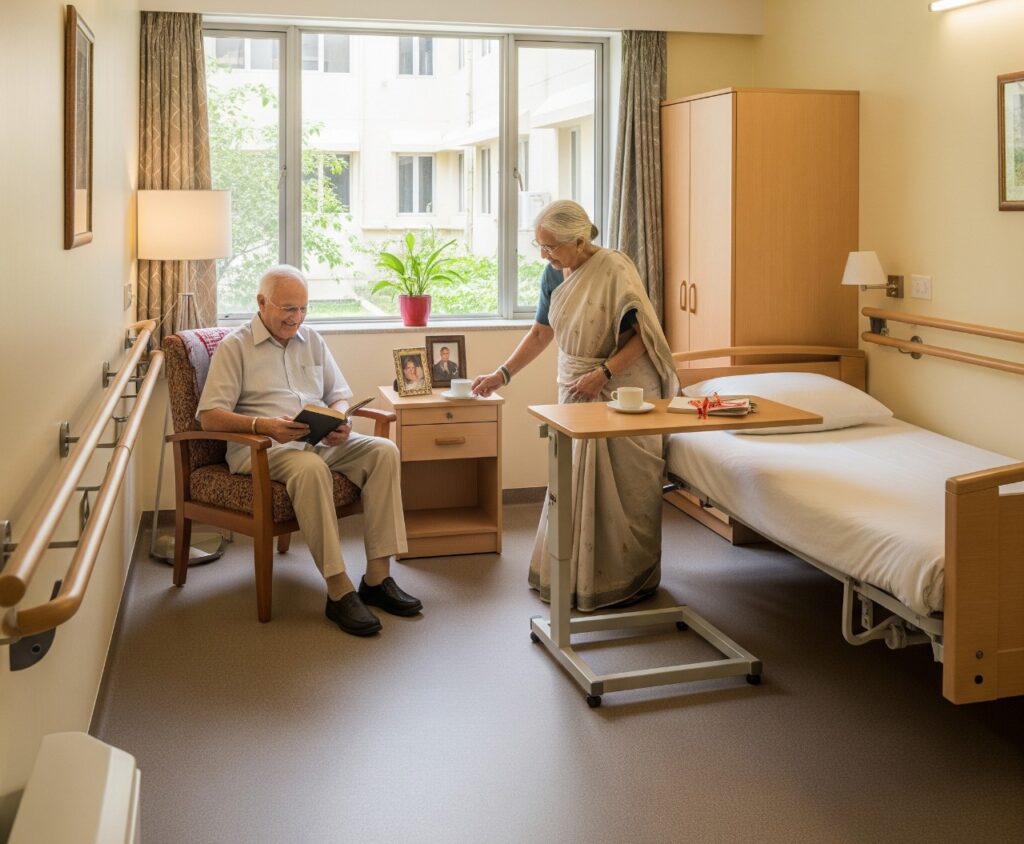
When elderly people live on their own, safety is a significant concern. Care homes for senior citizens in India have been built to make them elderly-friendly, as they have anti-slip floors, wheelchair accessibility, handrails, and emergency alarms.
They have all the features to reduce risks of accidents, and for when something does go wrong, they have systems in place to provide help immediately. The living quarters are comfortable, they provide meals that are nutritional, and they ensure sanitary living and food storage. This creates more quality to the experience of the elderly people.
Independence in Care Homes for Senior Citizens in India
There is a need for care and support, but elderly people want to keep their independence as much as they can. The care homes for senior citizens in India do a good job of encouraging independence, while still providing proper care and support, because the staff allows elderly people to do things for themselves daily, and only gives support when the elderly person needs help. This is dignity and allows the elderly person to continue doing things that give them some control over their lifestyle, like cooking for themselves, gardening, and other hobbies/interests. There must be a balance of independence with safety and emergency support to allow elderly people to have a healthier and fulfilled lifestyle.
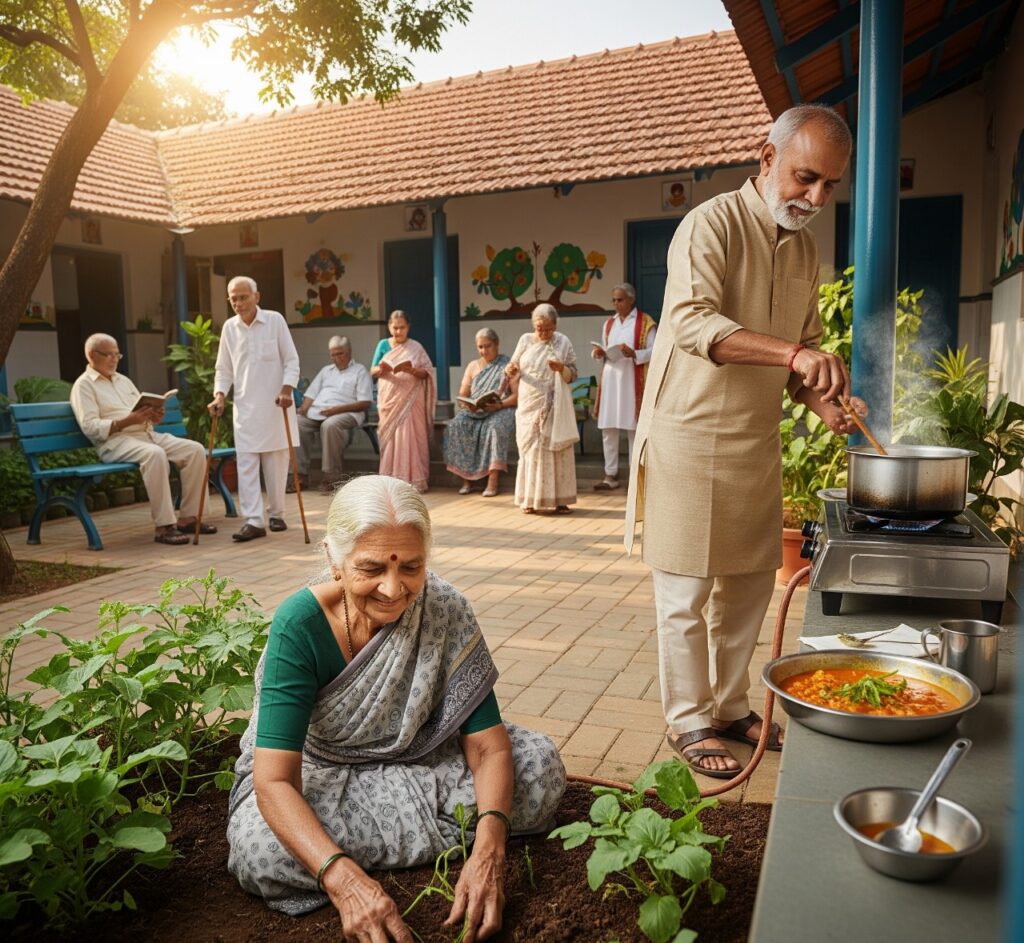
Evolving Attitudes Towards Care Homes for Senior Citizens in India
Old age homes have long been associated with neglect and abandonment. That stigma is slowly disappearing with recognition from families as well as seniors themselves that there is value in specially designed living spaces. Current care homes for senior citizens in India are not seen as a compromise but a deliberate step to support well-being. Many elderly people prefer to move into care homes because of the social interaction, access to healthcare, and a more fulfilling lifestyle, rather than simply sitting at home isolated from stimulation.
The Future of Care Homes for Senior Citizens in India
As the elderly population continues to grow at an unprecedented rate, it is anticipated that the need for care homes for senior citizens in India will expand.
Adult living communities are positioned to be able to accommodate demands that could impact the lifestyle of the elderly, such as the convergence of medical care and living issues. Many communities are already showcasing innovative models with telemedicine in association with electronic records management, individualized fitness programs, proactive wellness support, and mental wellness. Government subsidies and policies are partly to thank for enabling the quality of life for sustainable model care homes. Together, care homes will be a key solution in modernizing elderly people and ageing well in India.